Innovative Skylight Concepts: Creative Approaches to Enhance Your Living Space Design
Distinctive skylight designs present a remarkable way to transform indoor environments. With the integration of distinctive forms and multi-panel arrangements, homeowners are able to dramatically change the feel of their surroundings. These features not only serve aesthetic purposes but also improve energy efficiency and functionality. Recognizing the remarkable advantages of skylights can lead to well-informed decisions. Yet, the question remains: how can one select the perfect skylight to harmonize with their personal style and home design?
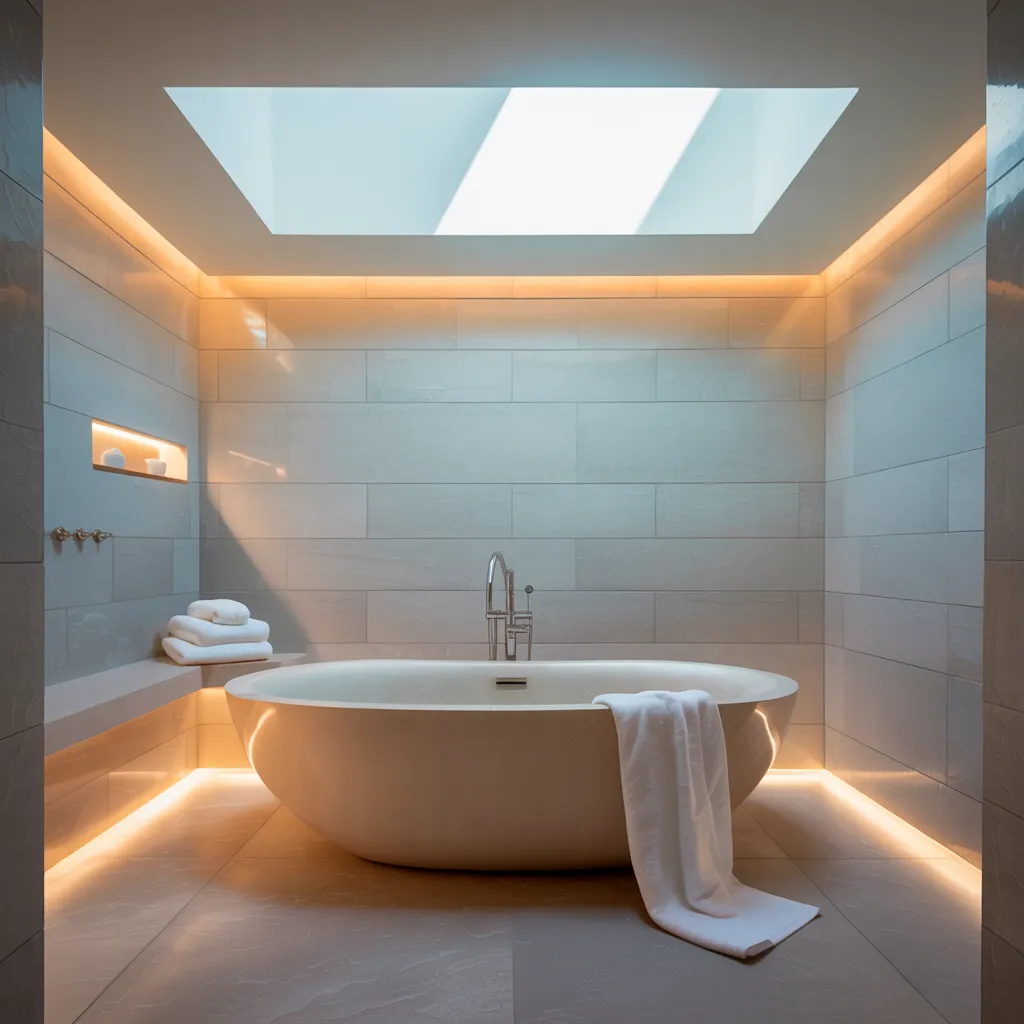
Key Benefits of Skylights for Interior Design
Although many elements contribute to interior design, skylights are distinguished by their remarkable advantages. They act as an essential provider of natural light, enhancing the overall ambiance of a space. By flooding interiors with sunlight, skylights can make rooms feel larger and more inviting, establishing an airy quality that artificial light rarely manages to replicate. Furthermore, the presence of natural light is known to boost mood and enhance productivity, making skylights an excellent choice for both residential and commercial settings.
In addition, skylights may decrease reliance on artificial lighting, leading to significant energy efficiency and a lower carbon footprint. The way they are positioned can also accentuate architectural features, bringing a unique aesthetic appeal to the design. With multiple styles and sizes available, skylights can be adapted to match a variety of interior themes, making them a versatile option for enhancing both beauty and functionality in any room.
Unique Geometric Skylight Shapes to Consider
Distinctive geometric skylight designs can tremendously elevate interior spaces by adding visual interest and character. Triangular skylight designs deliver a sleek aesthetic, while round alternatives bring a sense of softness and fluidity. Both designs deliver unique methods to incorporate sunlight into diverse architectural designs.
Triangular Skylight Designs
Triangular skylights provide a striking alternative to traditional shapes, commanding admiration through their geometric appeal. These unique skylights can transform any space, adding a touch of modern sophistication while optimizing the flow of natural light. The sharp angles generate captivating visual appeal, rendering them especially suited to contemporary design settings. Additionally, triangular configurations adapt effortlessly to a wide range of architectural styles, ranging from minimalist concepts to industrial themes. By enabling natural light to stream in from various directions, they elevate the atmosphere and sense of space in a room. In addition, the adaptability of triangular skylights supports personalization, accommodating a variety of personal design tastes. In the end, these innovative designs not only elevate interior decor but also contribute to a brighter, more inviting atmosphere.
Round Skylight Alternatives
Circular skylight selections provide a refined and balanced solution for improving indoor environments. These remarkable geometric forms not only invite natural light but also establish a captivating centerpiece. Available in various diameters, circular skylights can fit seamlessly related article into different architectural styles, from sleek to conventional. Their symmetrical shape promotes a sense of harmony, making them perfectly suited to rooms that thrive with gentle lighting, such as common spaces and private retreats. Additionally, cutting-edge glazing systems deliver energy efficiency while reducing thermal transfer. Customization options, including decorative frames and tinted glass, allow homeowners to personalize their skylights further. Ultimately, circular skylights serve as an ideal marriage of aesthetics and utility, improving both appearance and mood in any interior setting.
Multi-Panel Skylights: A Sleek Modern Look
As homeowners seek to blend natural light with contemporary design, multi-panel skylights stand out as a sophisticated solution. These architectural features consist of several adjoining panels, allowing expansive views of the sky and maximizing daylight. Their modular design offers flexibility, making them well-suited for diverse roof configurations and dimensions, while elevating the overall aesthetic of both contemporary and traditional homes.
Multi-panel skylights can create dramatic visual lines and add depth to interior environments. Available in various materials, such as glass, acrylic, and more, they can be tailored to suit individual tastes. Furthermore, the panel arrangement can be arranged to form one-of-a-kind geometric patterns, offering a striking focal point in a room.
Incorporating multi-panel skylight systems not only elevates the visual charm of interiors but also cultivates a bond with the outside world, enhancing the residential experience. This remarkable architectural feature is set to redefine the understanding of natural light in residential design.
Ways Skylights Enhance Energy Efficiency in Your Home
While many homeowners prioritize aesthetics when considering skylights, their energy-saving advantages are just as important. Skylights can improve the natural lighting in a home, reducing reliance on artificial lighting during the day. This not only lowers electricity bills but also creates a healthier indoor environment.
Moreover, modern skylights often feature energy-efficient glazing that decreases thermal loss in winter and controls overheating in summer. Such superior insulation contributes to greater thermal stability, decreasing dependence on heating and cooling systems. In addition, thoughtfully installed skylights can enable cross-ventilation, additionally improving a home's energy efficiency by enabling natural air circulation.
How to Link Skylights With Smart Home Technology
Combining skylights with smart home technology revolutionizes the manner in which natural light and ventilation are regulated within a living space. Through the use of automated systems, residents can manage the opening and closing of skylights based on weather conditions or personal preferences. Smart sensors can detect sunlight intensity and modify the skylight positions to enhance natural light while limiting heat absorption.
In addition, these setups can be set up to work according to schedules, permitting fresh airflow during specific times of the day. Compatibility with home automation hubs allows for remote management via smartphones or voice commands, increasing convenience. Moreover, energy-saving skylights featuring smart technology can provide alerts for maintenance needs, ensuring longevity and performance.
Ultimately, the combination of skylights and smart technology not only enhances comfort but also promotes energy savings, allowing homeowners to benefit from the advantages of natural light without sacrificing oversight.
Key Tips for Choosing the Perfect Skylight for Your Home
Selecting the right skylight requires thorough assessment of numerous factors to maximize both aesthetics and functionality. Residents should first assess the function of the skylight, be it for daylighting, ventilation, or both. Such a determination affects the placement and type of the skylight.
Furthermore, it is essential to take into account the scale; bigger skylights allow more natural light in but could need extra structural reinforcement. Energy efficiency is also an important consideration; choosing options that feature insulated glass aids in minimizing energy expenditures.
The surrounding climate is also an important consideration; resilient materials are required for locations subject to harsh weather conditions. In addition, residents should consider shading alternatives to regulate light exposure and heat accumulation.
To conclude, professional installation is strongly suggested to ensure precise sealing and alignment, preventing leaks and maximizing performance. By thoughtfully addressing these elements, homeowners can select skylights that enhance their living spaces effectively.

Questions We Get Asked Often
What Are the Maintenance Requirements for Different Skylight Types?
Distinct skylight designs call for specific maintenance approaches; fixed models need periodic cleaning, while ventilated models require inspection of seals and moving parts. Regular inspections for leaks and debris removal are essential to guarantee peak performance and longevity.
Can Skylights Be Added to an Existing Home?
Yes, skylights can be installed in existing homes. Experienced specialists evaluate the structural soundness and roofing materials prior to installation, providing thorough sealing and insulation to eliminate leaks and boost energy performance, which significantly increases the amount of natural light in the home.
How Do Skylights Impact Indoor Temperature Control?
Skylights can markedly impact the regulation of indoor temperatures by allowing natural light to enter, which can provide warmth to rooms during cold seasons. However, without proper insulation and shading, they can also lead to overheating in warmer seasons.
What Safety Concerns Are Associated With Skylights?
Indeed, skylights come with safety concerns that include possible leaks, structural vulnerabilities, and the chance of breakage. Proper installation, regular maintenance, and using tempered or laminated glass can help mitigate these risks and enhance safety.
Which Materials Are Best for Skylight Frames?
Aluminum and vinyl are often considered the best materials for skylight frames due to their durability, low maintenance, and resistance to weathering. Timber frames, despite their attractive appearance, necessitate more care and tend to be vulnerable to decay.